Hurt in a bus accident: who pays and how short the deadline can be
First find out who runs the bus. A public bus can mean a claim within 180 days in Arizona or about six months in Texas, not two years. A private charter or tour bus usually follows the normal two-year deadline, and for-hire buses crossing state lines must carry federal minimums.
Last checked November 9, 2026 · Official sources (38)

What should I do right after a bus accident?
FMCSA counted 87 school buses, 14 intercity buses and 74 transit buses in fatal crashes in 2022. Most bus injuries are far less dramatic: a hard stop, a fall in the aisle or a door that closes on an arm. Those can still be claims.
- Report the injury to the driver before you get off. Ask that it be written down.
- Call 911 if anyone is hurt or if the bus was hit.
- Write down the bus number, route, direction and exact time. Take a photo of the bus number.
- Get names and phone numbers of other passengers. They scatter fast.
- Get medical care the same day and tell the doctor how you fell or hit.
- Find out who owns or runs the bus. That sets your deadline.
- Do not sign a form or give a statement to the agency's insurer until you know your deadline.
Who pays for a bus accident?
This depends on who runs the bus. Check before you do anything else.
| Type of bus | Who pays | Deadline and trap |
|---|---|---|
| City or county transit | The transit agency or a contractor running it | Arizona: 180 days, then suit in 1 year. Texas: 6 months or a shorter city period. |
| Public school bus | The school district | Same government rules. Texas school districts are covered only for motor vehicles. |
| Private school bus contractor | The contractor and its insurer | Usually the normal deadline, but the school may also be involved. Confirm who employed the driver. |
| Charter, tour or intercity bus | The carrier and its insurance | For-hire interstate carriers need at least $5,000,000 for 16 or more seats and $1,500,000 for 15 or fewer. An in-state operator may fall under different rules. |
| Hotel, airport or church shuttle | The owner or operator | Often a private policy. Get the company's name. |
| Another car that hit the bus | That driver's insurer, and maybe the bus company too | Passengers can claim against both, if both were careless. |
Federal rules set a different limit for some multi-state transit providers, so a public bus may not carry the same amounts as a charter. Some transit systems also hire private companies to run their buses. Ask who employed the driver, and file the government notice anyway to protect your claim.
How long do I have to file a claim against a city bus or school bus?
Often much less than two years. This is the most common way these claims die.
In Arizona, a claim against a public entity, public school or public employee must be filed within 180 days after the cause of action accrues. A public entity includes the state and any political subdivision. The claim must state a specific amount that would settle it and the facts behind that amount. A late claim is barred. If no one answers, the claim is treated as denied after 60 days. The lawsuit must follow within one year. A minor may file within 180 days after turning 18.
In Texas, a government is entitled to notice within six months of the incident. The notice must describe the injury, the time and place, and what happened. City charters may set their own period, so you must look up the local rule. Formal notice is not required if the government had actual notice of the injury, but do not rely on that. In Texas, being a child does not pause this notice deadline.
If you do not know who owns the bus, treat it as public until you confirm otherwise.
Do bus drivers owe passengers a higher duty of care?
It depends on the state. Many websites say every bus is a common carrier that owes the highest care. That is not the rule in Arizona.
The Arizona Supreme Court held in a Tucson bus case that common carriers owe reasonable care under all the circumstances. It ended the old highest-degree rule. A passenger must show the driver or company was careless, such as by not securing a wheelchair or by braking hard for no reason.
Texas courts still refer to the high standard of care associated with common carriers. Whether a business counts turns on the business of transportation. A city bus and a charter are typical examples, but how the standard applies to a specific bus can still be argued.
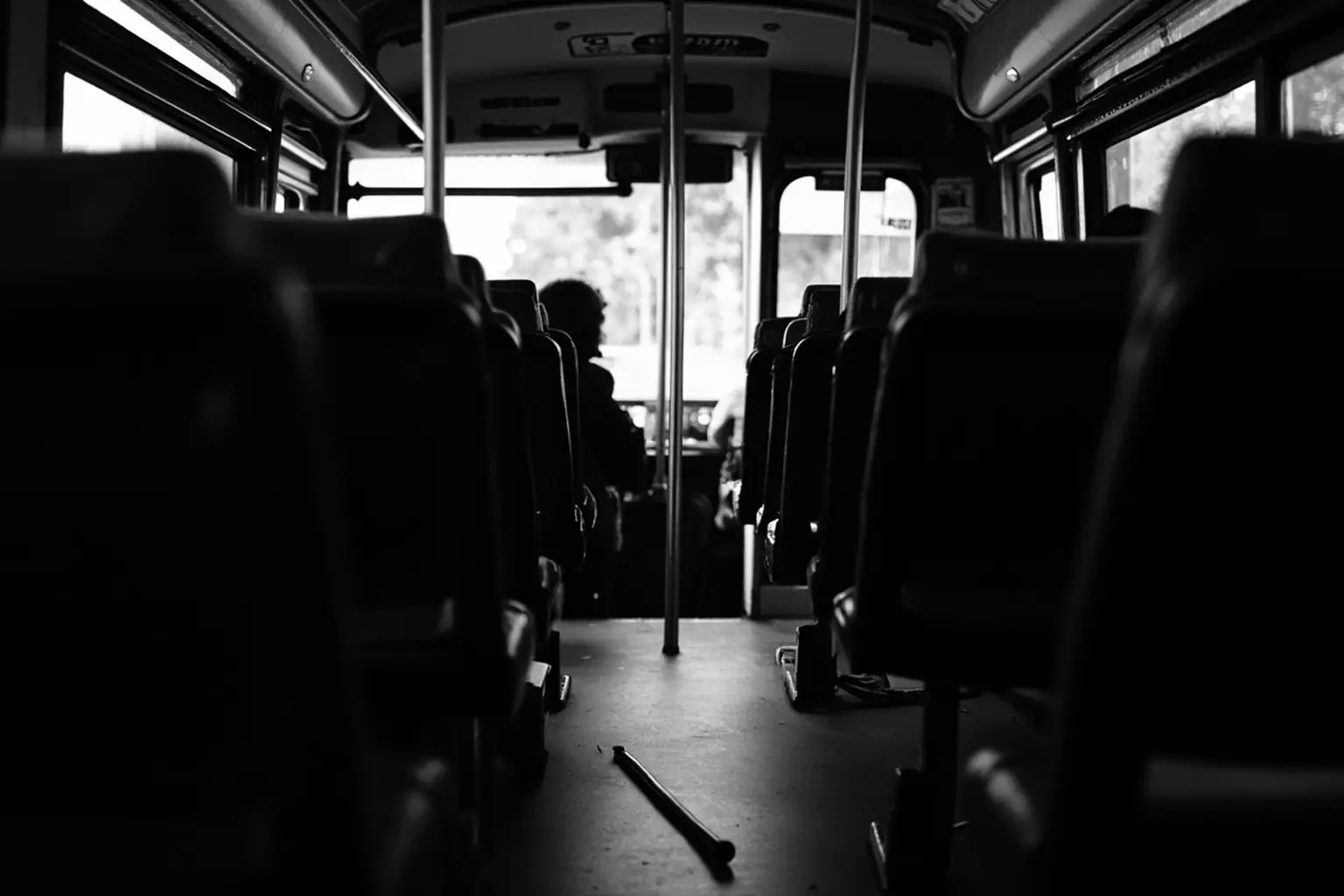
Either way, you can have a claim without a crash. Common facts include a driver pulling away before you sit, a hard stop, a broken lift or a wheelchair that was not tied down.
What evidence can I get from the bus company?
Most buses have onboard cameras, and many systems record over old video on a schedule. You should ask in writing right away.
| Record | Why it matters | How to get it |
|---|---|---|
| Onboard and street video | Shows the fall, the stop and the crash | Ask in writing right away |
| Bus location and speed data | Shows sudden stops and timing | Ask the operator to preserve it |
| Driver's drug and alcohol test | Federal transit rules require post-accident testing in serious cases. A late alcohol test must be explained in writing. | Ask the agency if a test was done |
| Maintenance logs | Failed brakes, lifts or doors | Records request or lawsuit |
| Incident and complaint reports | Past problems on this route or with this driver | Records request |
Public agencies have public records duties. In Arizona, records are open to inspection during office hours. In Texas, public information is available during normal business hours. Some records can be withheld, especially while a claim is pending.
What if my child was hurt on a school bus?
NHTSA says less than 1 percent of traffic deaths involve children on school transportation vehicles. Children are at more risk approaching or leaving the bus. A driver who passes a stopped school bus may be responsible for those injuries.
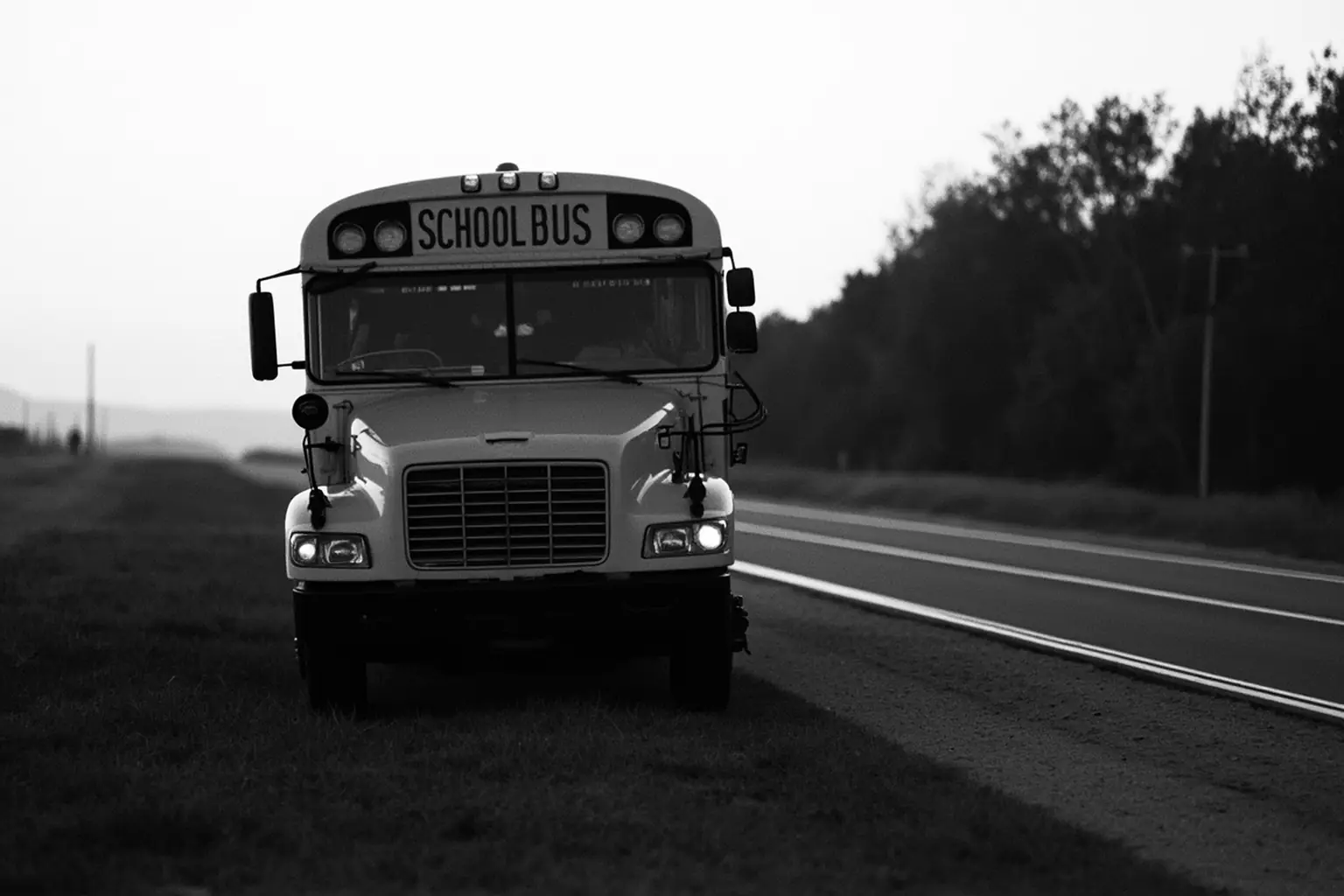
In Texas, the school district's legal immunity is waived only when the injury arises from the operation or use of a motor vehicle. The Texas Supreme Court has held that if the bus was only the setting for the injury, immunity stays. So a child hurt in a fight on a bus may have a much harder time than a child hurt when the bus crashed. Arizona's government claim rules apply to public schools too.
How much can I get from a bus accident claim?
We know of no official average for bus cases. A claim can include medical bills, future treatment, lost pay and pain. When the bus is public, state limits can change the math.
| Limit | Arizona | Texas |
|---|---|---|
| Cap on damages against a government | The state constitution bars laws limiting damages. | $100,000 per person for many local units, $250,000 for cities |
| Punitive damages against a government | Not allowed | Not authorized |
| Transit authorities | Treated as public entities if political subdivisions | Chapter 451 and 452 authorities are governmental units. Which cap applies to a given authority can be disputed. |
Example only: a passenger with $180,000 in losses on a Texas local government bus may be limited to $100,000 by the cap, even if the bus is 100 percent at fault. The same claim against a private charter faces no cap of that kind.
What changes in Arizona and Texas?
| Rule | Arizona | Texas |
|---|---|---|
| Deadline, private bus | 2 years | 2 years |
| Notice, public bus | 180 days | 6 months or by charter |
| Suit, public bus | 1 year | 2 years, after notice |
| Care owed | Reasonable care | High standard for common carriers |
| Shared fault | Damages reduced, never barred | Barred above 50 percent |
What mistakes hurt a bus accident claim?
- Assuming you have two years when the bus was public
- Not naming a settlement amount in an Arizona notice of claim
- Leaving the bus without reporting your injury
- Failing to get other passengers' names
- Waiting to ask for video until after it is recorded over
- Letting the agency's adjuster record your statement
Questions
How long do I have to sue after a city bus accident in Arizona?
File the claim within 180 days and sue within one year.
How long do I have to give notice in Texas?
Generally six months, or a shorter period if a city charter sets one.
Can I sue a school district for a bus accident?
Often, but in Texas the injury must arise from the operation or use of the bus.
Do bus drivers owe a higher duty of care?
Not in Arizona. Texas still refers to a high standard for common carriers.
How much insurance does a charter bus carry?
If it is a for-hire carrier crossing state lines, at least $5,000,000 for 16 or more seats and $1,500,000 for 15 or fewer.
Bus accident? See if you are owed money.
A free case review. $0 upfront. No fee unless you win.
See if I’m owed moneySources (38)
- Arizona Revised Statutes 12-821.01, checked 2026-11-09. “within one hundred eighty days after the cause of action accrues”
- Texas Civil Practice and Remedies Code 101.101, checked 2026-11-09. “not later than six months after the day that the incident giving rise to the claim occurred”
- 49 CFR 387.33, checked 2026-11-09. “seating capacity of 16 passengers or more, including the driver $5,000,000”
- Arizona Revised Statutes 12-542, checked 2026-11-09. “there shall be commenced and prosecuted within two years after the cause of action accrues, and not afterward”
- Texas Civil Practice and Remedies Code 16.003, checked 2026-11-09. “personal injury, forcible entry and detainer, and forcible detainer not later than two years after the day the cause of action accrues”
- Arizona Revised Statutes 12-821, checked 2026-11-09. “shall be brought within one year after the cause of action accrues and not afterward”
- Texas Civil Practice and Remedies Code 101.101, checked 2026-11-09. “A city's charter and ordinance provisions requiring notice within a charter period permitted by law are ratified and approved.”
- Nunez v. Professional Transit Management of Tucson (Ariz. 2012), checked 2026-11-09. “We hold that the general negligence standard- reasonable care under all the circumstances - applies.”
- Martinez v. Val Verde County Hospital District (Tex. 2004), checked 2026-11-09. “The lower courts held that it is not,[2] and we agree.”
- FMCSA, checked 2026-11-09. “In 2022, there were 87 school buses, 14 intercity buses, and 74 transit buses involved in fatal crashes.”
- Texas Civil Practice and Remedies Code 101.051, checked 2026-11-09. “Except as to motor vehicles, this chapter does not apply to a school district or to a junior college district.”
- 49 CFR 387.33, checked 2026-11-09. “seating capacity of 15 passengers or less, including the driver 1,500,000”
- 49 CFR 387.33, checked 2026-11-09. “Limits applicable to transit service providers”
- Arizona Revised Statutes 12-820, checked 2026-11-09. “"Public entity" includes this state and any political subdivision of this state.”
- Arizona Revised Statutes 12-821.01, checked 2026-11-09. “The claim shall also contain a specific amount for which the claim can be settled and the facts supporting that amount.”
- Arizona Revised Statutes 12-821.01, checked 2026-11-09. “is barred and no action may be maintained thereon”
- Arizona Revised Statutes 12-821.01, checked 2026-11-09. “is deemed denied sixty days after the filing of the claim”
- Arizona Revised Statutes 12-821.01, checked 2026-11-09. “a minor or an insane or incompetent person may file a claim within one hundred eighty days after the disability ceases”
- Texas Civil Practice and Remedies Code 101.101, checked 2026-11-09. “do not apply if the governmental unit has actual notice”
- Speed Boat Leasing v. Elmer (Tex. 2003), checked 2026-11-09. “the high standard of care associated with common carriers”
- Speed Boat Leasing v. Elmer (Tex. 2003), checked 2026-11-09. “Our traditional common-carrier analysis turns on the business of transportation”
- 49 CFR 655.44, checked 2026-11-09. “As soon as practicable following an accident involving the loss of human life, an employer shall conduct drug and alcohol tests”
- 49 CFR 655.44, checked 2026-11-09. “is not administered within two hours following the accident, the employer shall prepare and maintain on file a record”
- Arizona Revised Statutes 39-121, checked 2026-11-09. “Public records and other matters in the custody of any officer shall be open to inspection by any person at all times during office hours.”
- Texas Government Code 552.021, checked 2026-11-09. “Public information is available to the public at a minimum during the normal business hours of the governmental body.”
- NHTSA, checked 2026-11-09. “Less than 1% of all traffic fatalities involve children on school transportation vehicles.”
- NHTSA, checked 2026-11-09. “children are more at risk when approaching or leaving a school bus”
- Texas Civil Practice and Remedies Code 101.021, checked 2026-11-09. “arises from the operation or use of a motor-driven vehicle or motor-driven equipment”
- LeLeaux v. Hamshire-Fannett ISD (Tex. 1992), checked 2026-11-09. “When an injury occurs on a school bus but does not arise out of the use or operation of the bus, and the bus is only the setting for the injury, immunity for liability is not waived.”
- Arizona Constitution, article 2, section 31, checked 2026-11-09. “No law shall be enacted in this state limiting the amount of damages to be recovered for causing the death or injury of any person”
- Texas Civil Practice and Remedies Code 101.023, checked 2026-11-09. “liability of a unit of local government under this chapter is limited to money damages in a maximum amount of $100,000 for each person and $300,000 for each single occurrence”
- Texas Civil Practice and Remedies Code 101.023, checked 2026-11-09. “Liability of a municipality under this chapter is limited to money damages in a maximum amount of $250,000 for each person and $500,000 for each single occurrence”
- Arizona Revised Statutes 12-820.04, checked 2026-11-09. “Neither a public entity nor a public employee acting within the scope of his employment is liable for punitive or exemplary damages.”
- Texas Civil Practice and Remedies Code 101.024, checked 2026-11-09. “This chapter does not authorize exemplary damages.”
- Texas Transportation Code 451.052, checked 2026-11-09. “An authority is a governmental unit under Chapter 101”
- Texas Transportation Code 452.052, checked 2026-11-09. “An authority is a governmental unit under Chapter 101”
- Arizona Revised Statutes 12-2505, checked 2026-11-09. “the full damages shall be reduced in proportion to the relative degree of the claimant's fault”
- Texas Civil Practice and Remedies Code 33.001, checked 2026-11-09. “a claimant may not recover damages if his percentage of responsibility is greater than 50 percent”